Welcome to North American Aerospace Museum’s Fighter Town USA – an exhibit that covers our entire campus. And, unlike most other museums, our Fighter Town includes both allied and adversary examples of fighter jet tech in each generation.
The term “Generations” refers to the constant evolution of fighter jets. It isn’t just the age of the aircraft that determines its generation, it is the leaps in technology their enhanced capabilities that determines when one generation ends and the next begins. With each generation comes higher performance – greater speed, agility, and overall fighting capability.
Our collection of fighters includes the earliest examples of WWI and WWII fighters, but our Fighter Town USA exhibit is focused on our collection of fighter jets that covers more than five decades of both US and Soviet fighters.
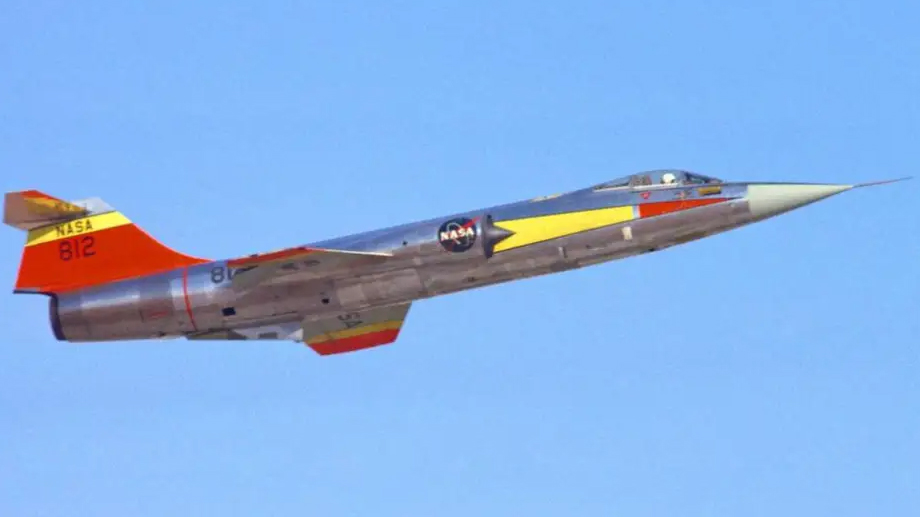
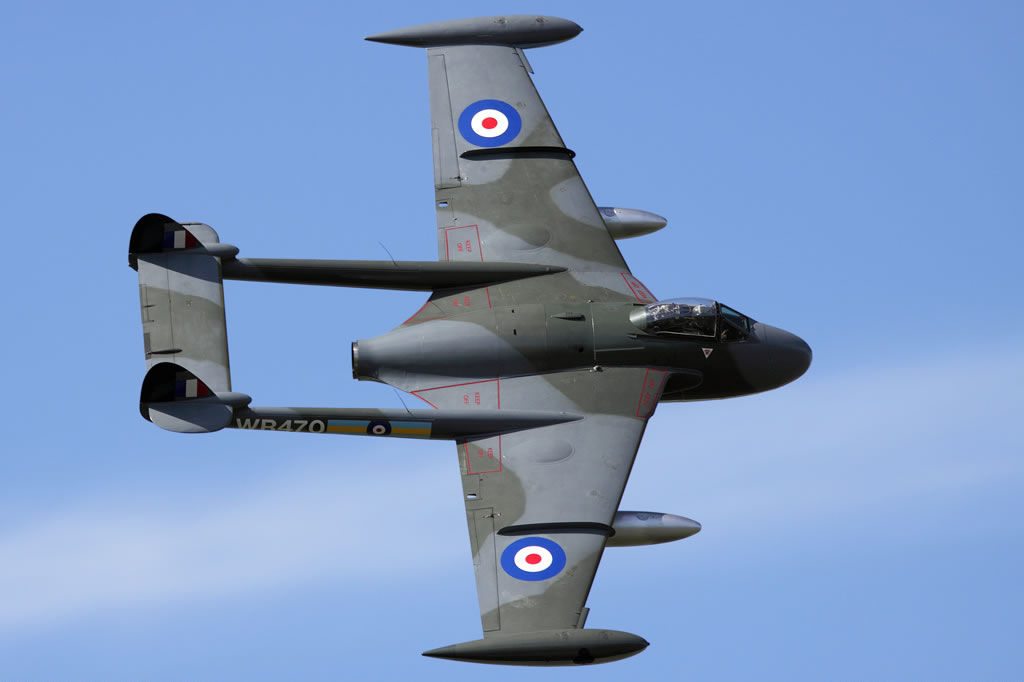
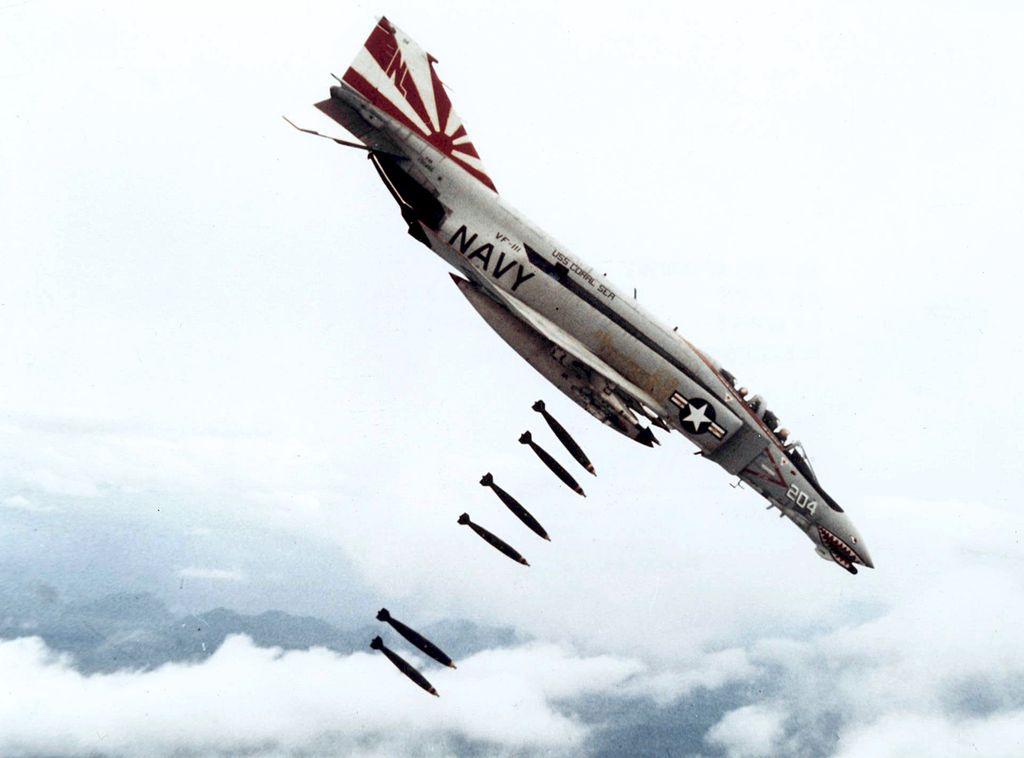
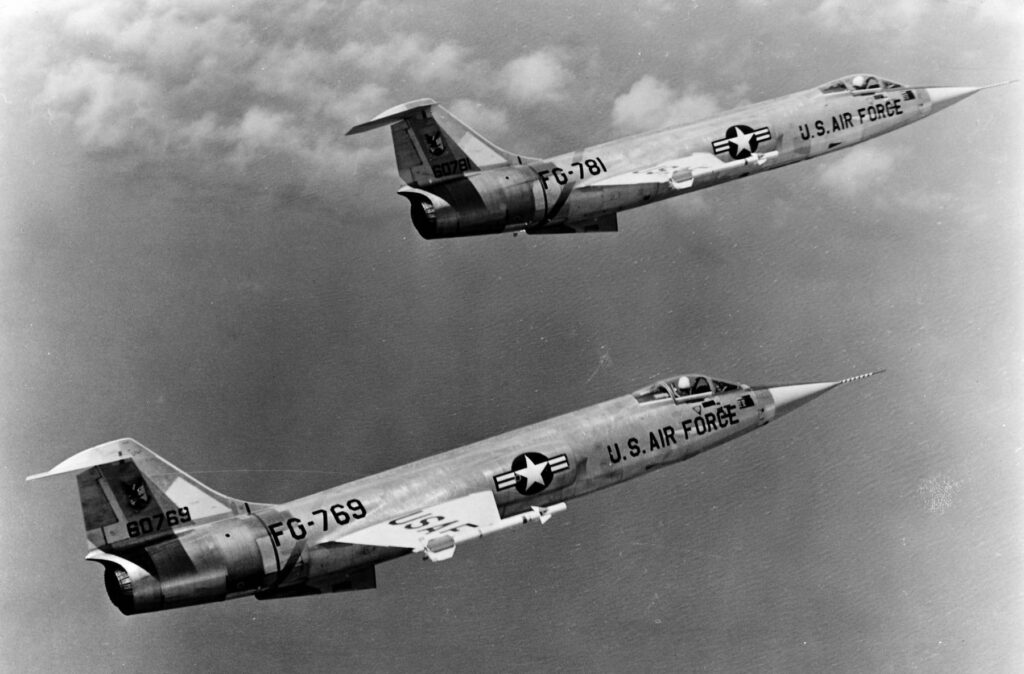
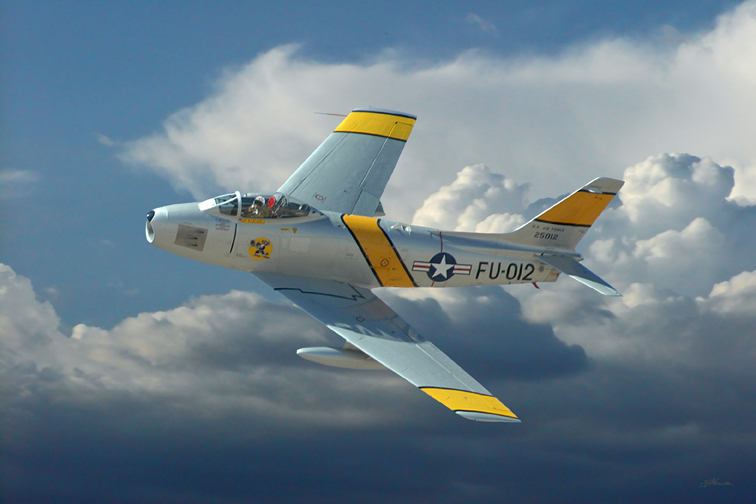
Generations on Display
1942 – 1954
The First of the Subsonic Fighters
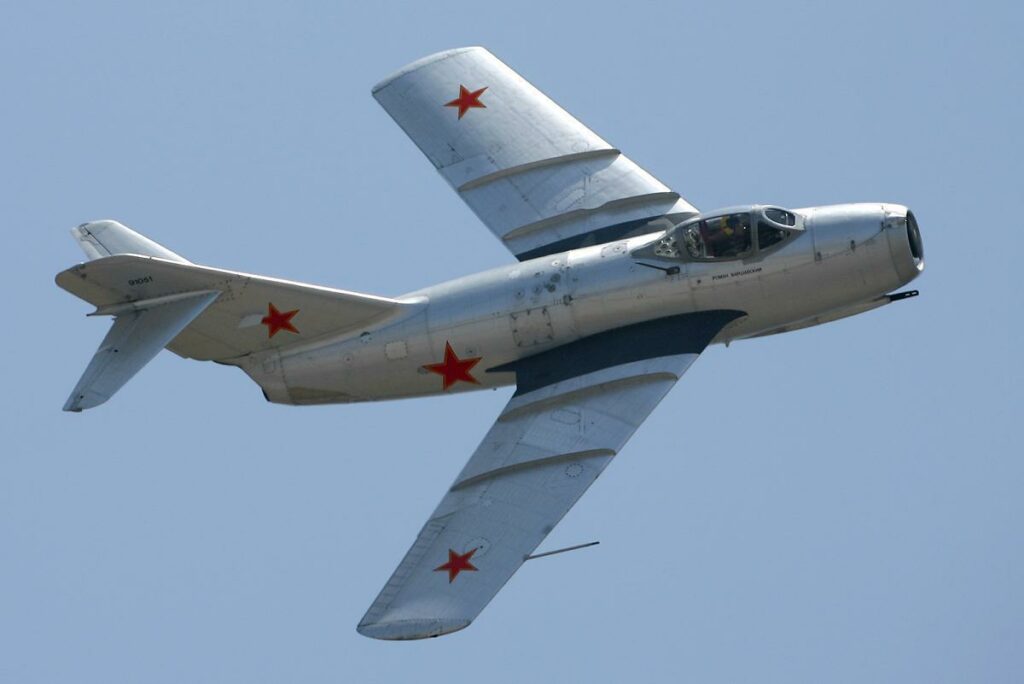
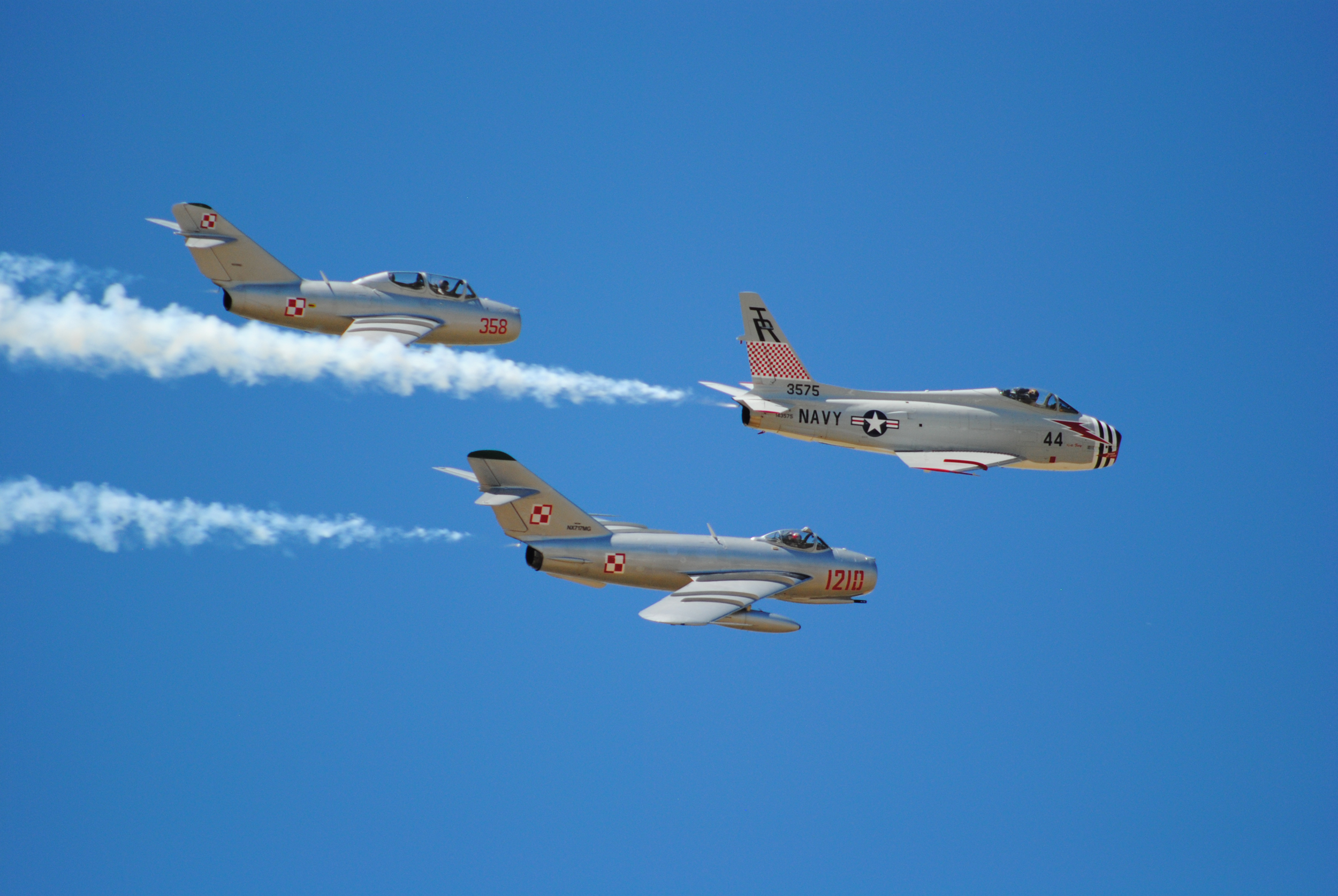
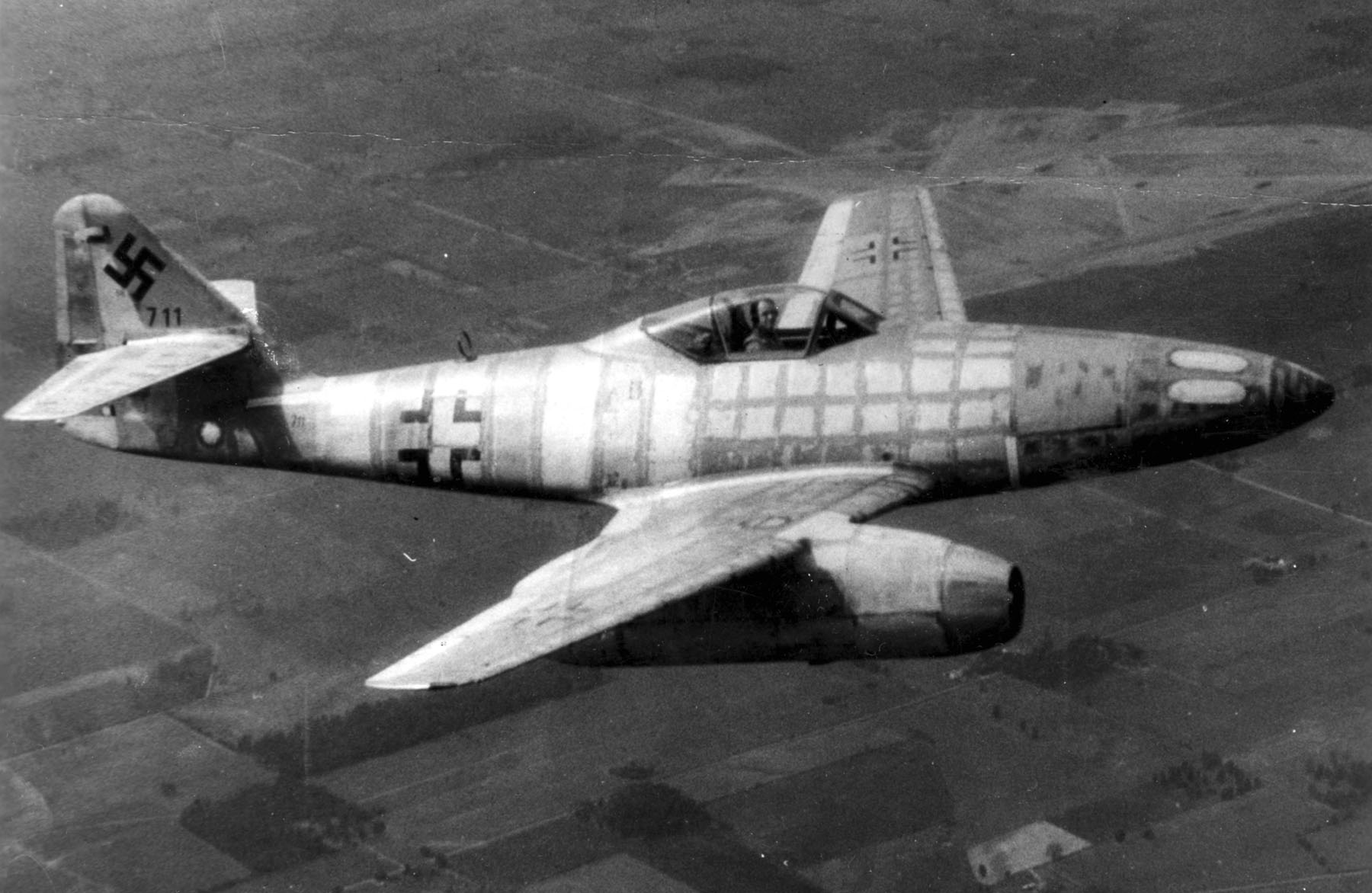
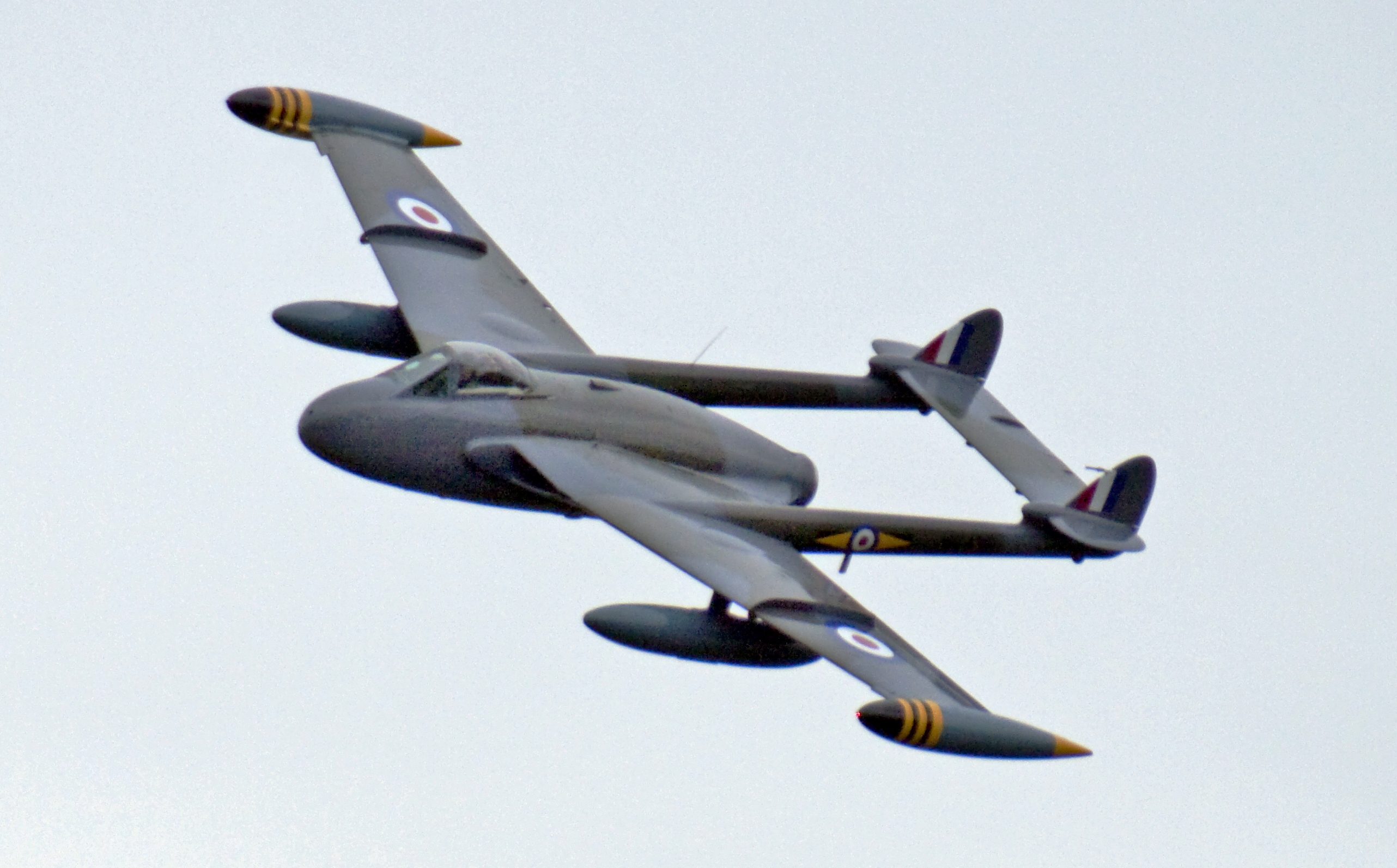
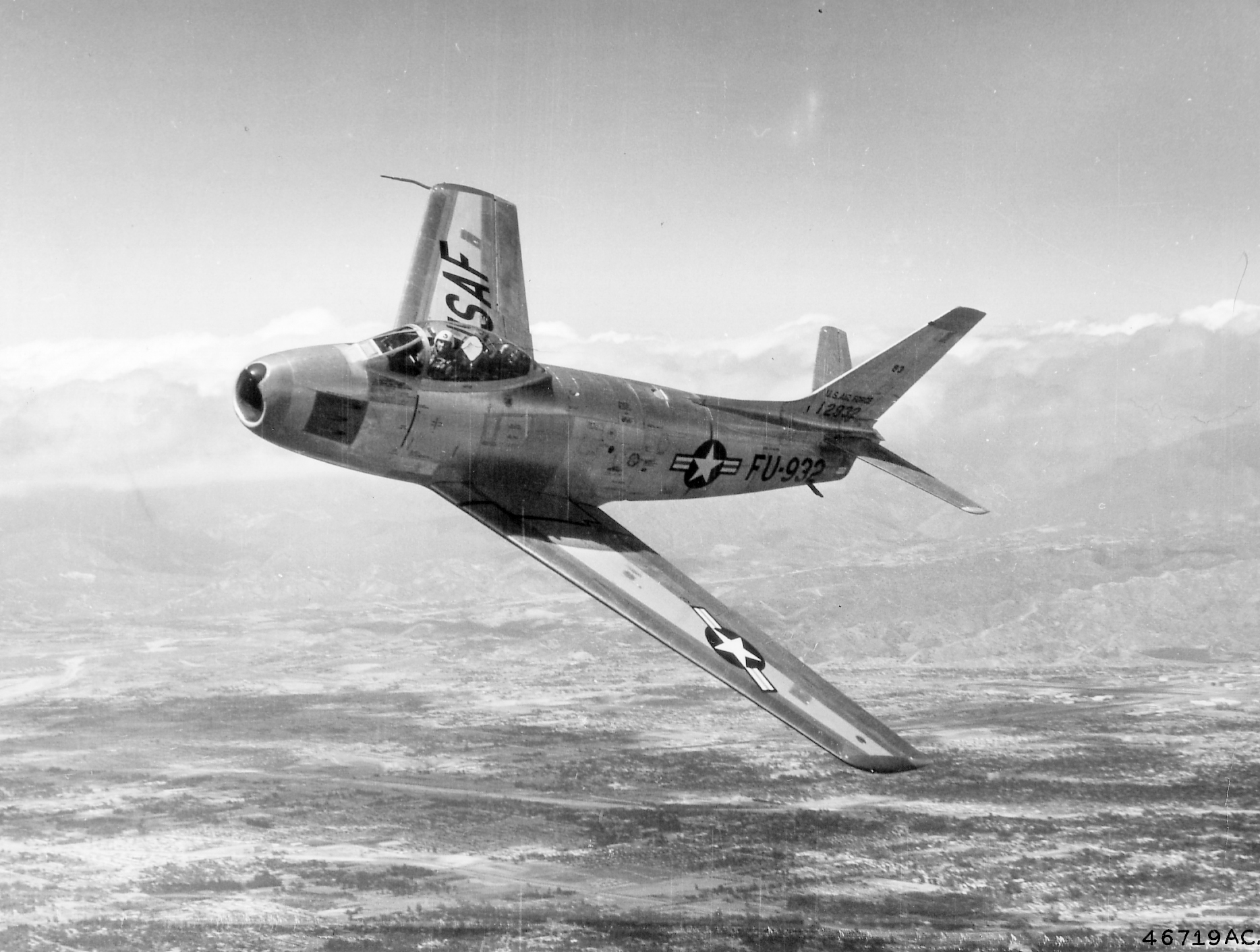
1st Generation Fighters are noted as the earliest production aircraft powered by turbine jet engines, they had not yet achieved the speed of sound at the time of there original production. They had limited avionics, engines, and aerodynamics making them a bit slower and less agile then the following generations.
Our collection of 1st Generation fighters includes:
- Germany: Messerschmitt 262 Schwalbe.
- United Kingdom: DH-112 Venom
- United States: FJ-3 Fury, F-84 Thunderstreak, and the F-86 Sabre.
- Soviet Union: MiG-15 Midget and MiG-17 Fresco
1954 – 1959
The Century Series Jet Fighters
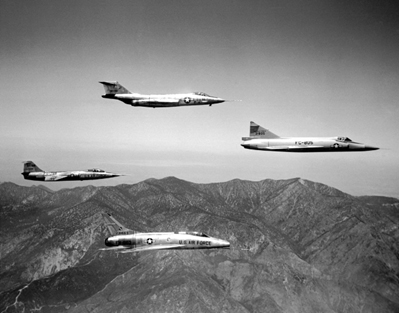
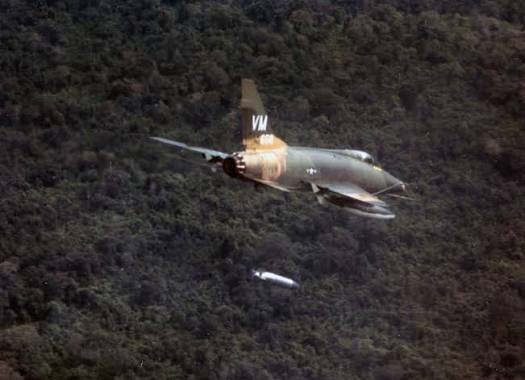
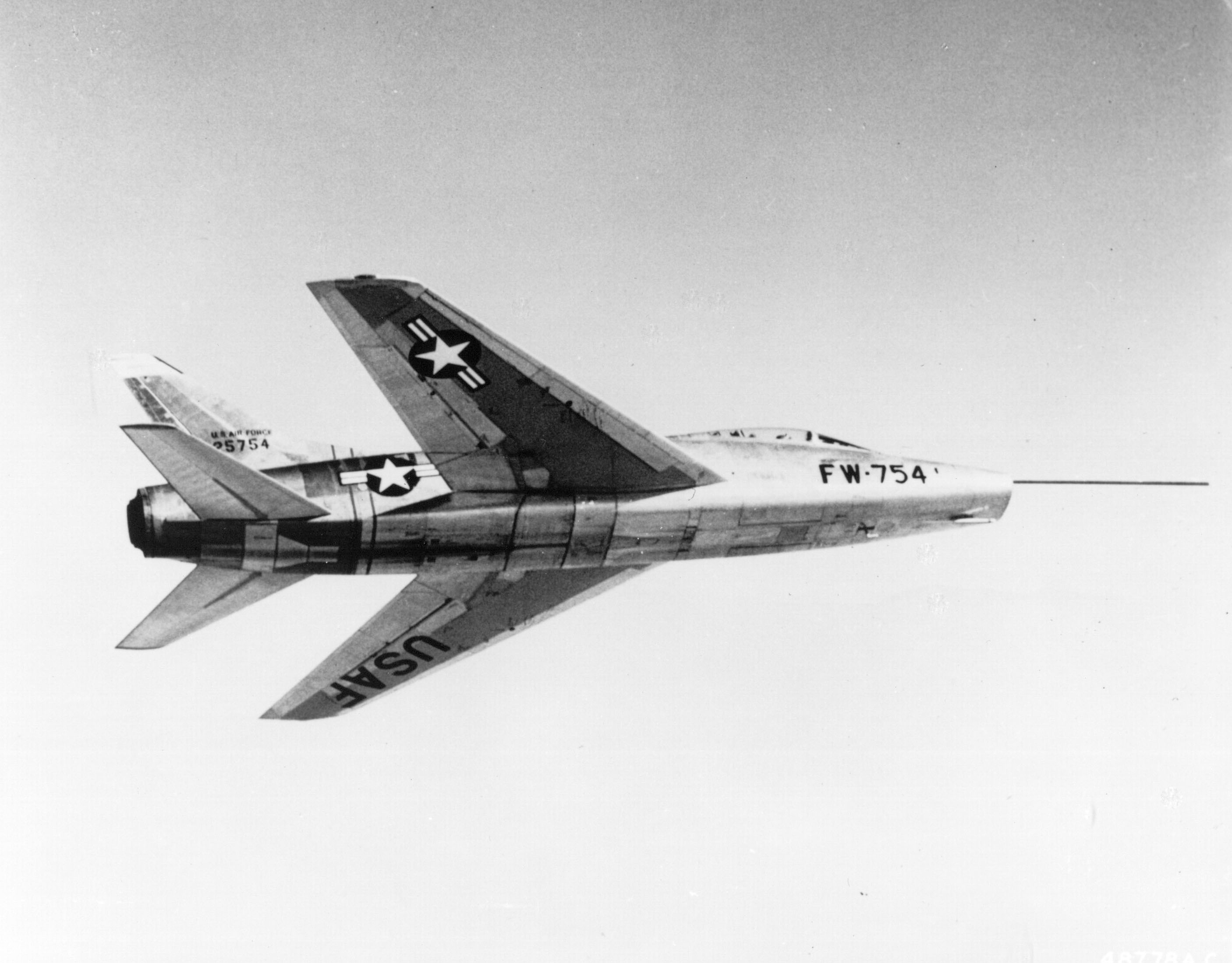
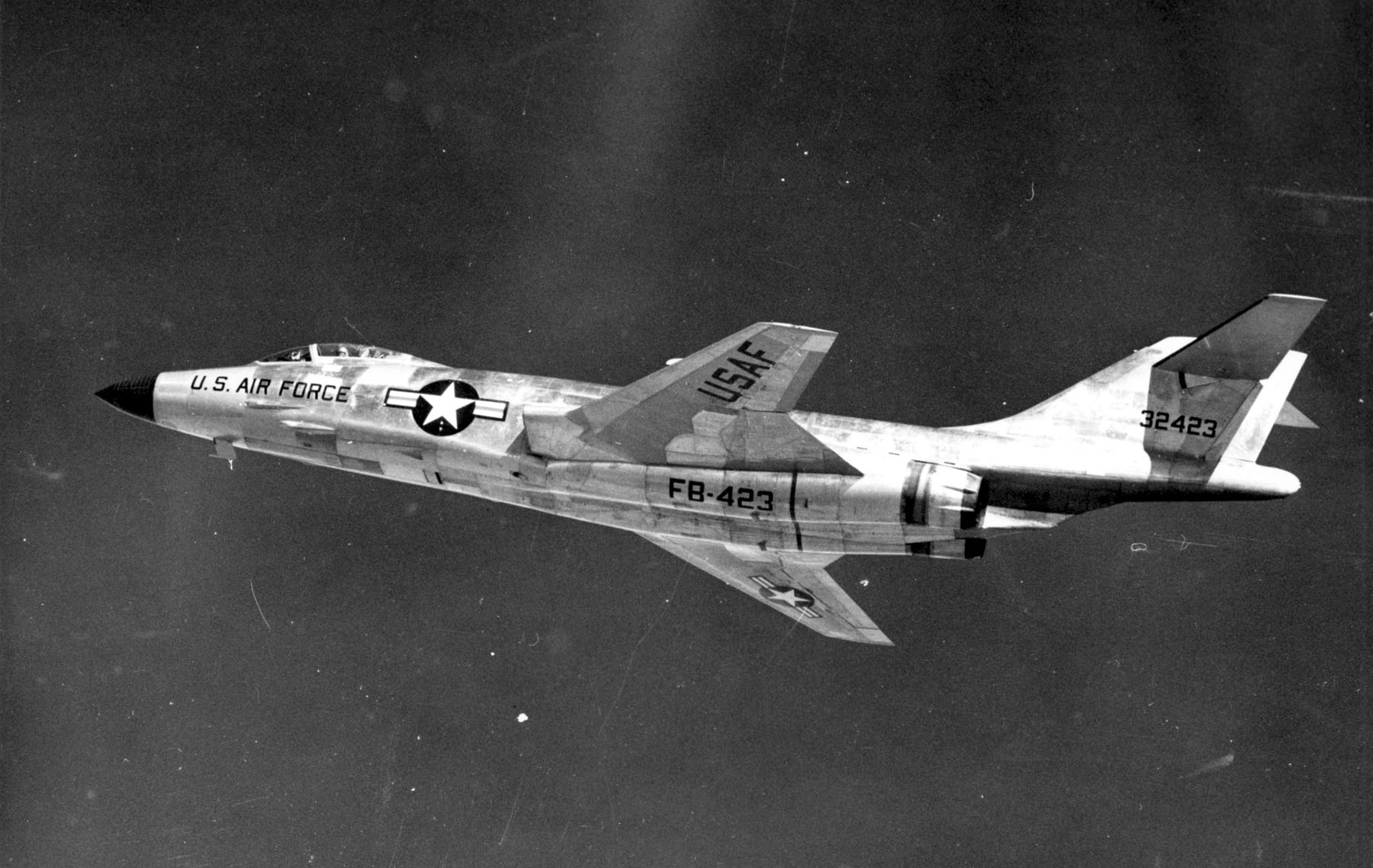
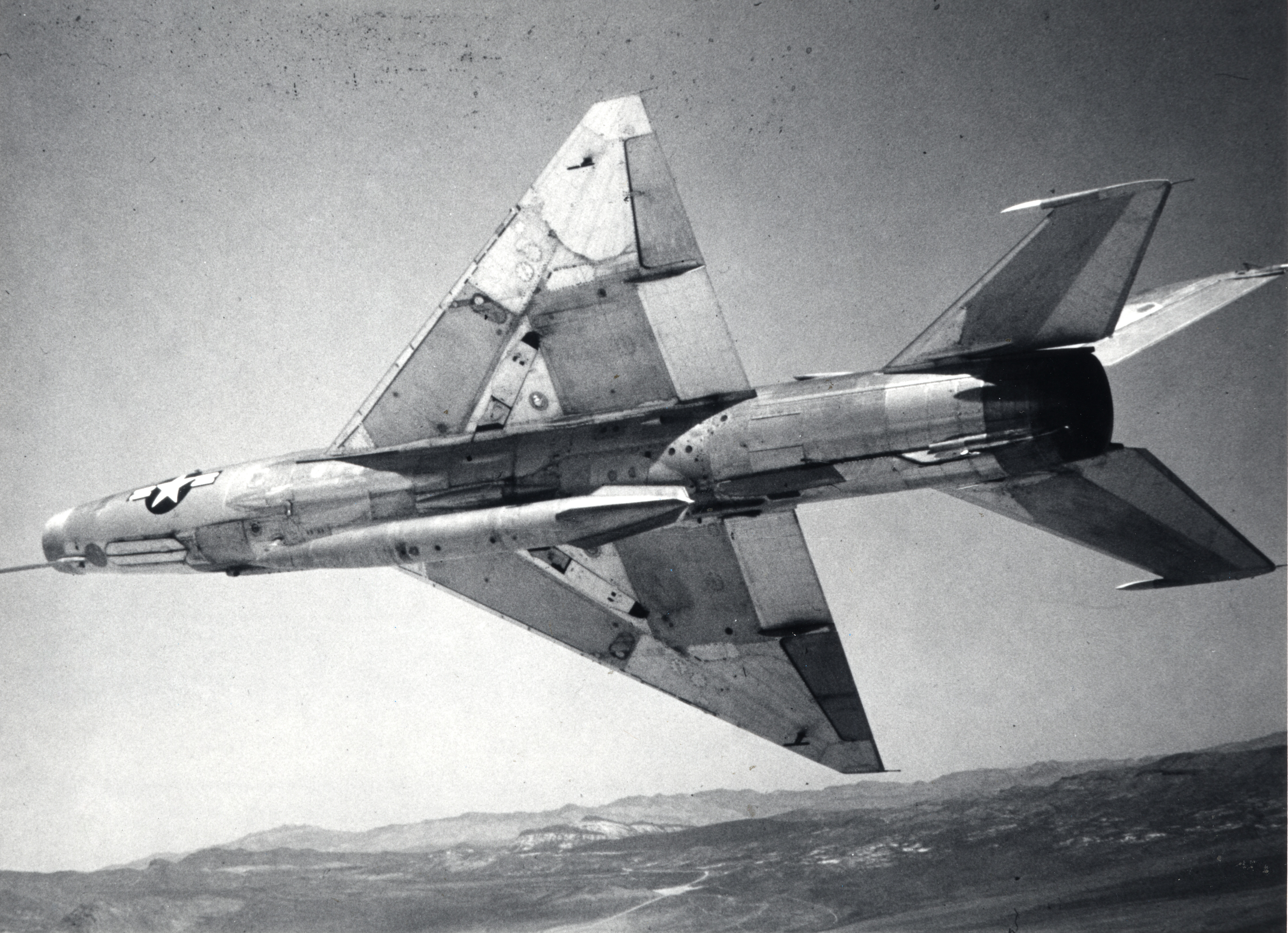
2nd Generation fighters were the first to include limited avionics and advanced system developments such as air-to-air radar as well as engine and airframe advances that led to super-sonic flight. Jets from this generation also began to carry early forms of semi-guided missile systems, although most air-to-air engagements were limited by the pilots ability to maintain visual contact.
Our collection includes the following 2nd Generation Fighters:
- United States: F-100 Super Sabre (Misty), F-101 Voodoo, F-102 Delta Dagger, F-104 Starfighter, F-105 Thunderchief, and F-106 Delta Dart.
- Soviet Union: The MiG 21
1960 – 1970
Speed, Maneuverability, Missiles
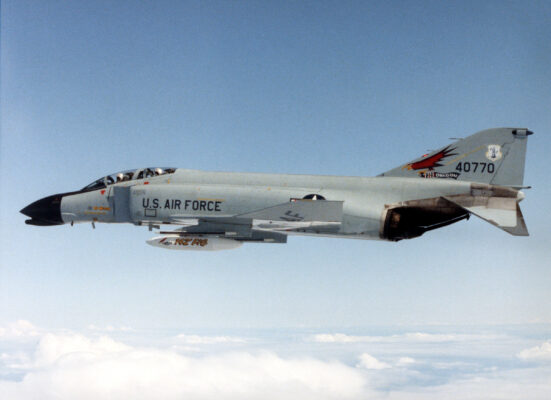
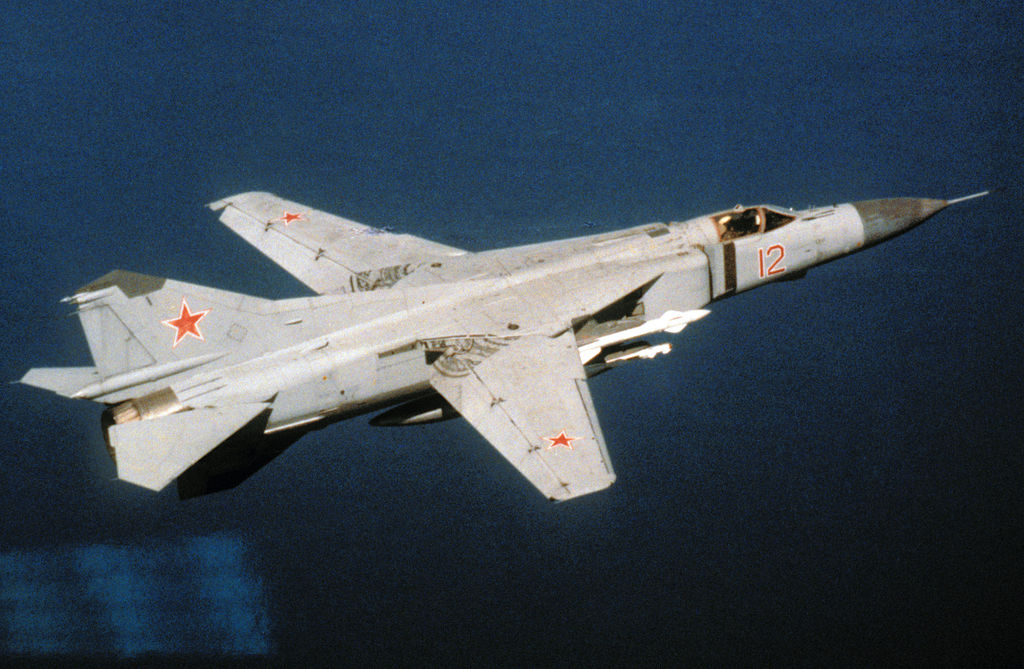
The 3rd Generation of fighters was distinguished by improved maneuverability, innovations in avionics, the use of pulse radars, increased weapon payloads, and expanded tactical role capabilities. This era of fighters included the F-4 Phantom, MiG-23, Mirage III, and Hawker Harrier.
Our collection of 3rd Generation fighters includes two very familiar foes; the US F-4 Phantom and the MiG-23 Flogger (along with Sidewinder and AIM 9 Missiles).
1969 – 1984
Power, Technology, and Reach
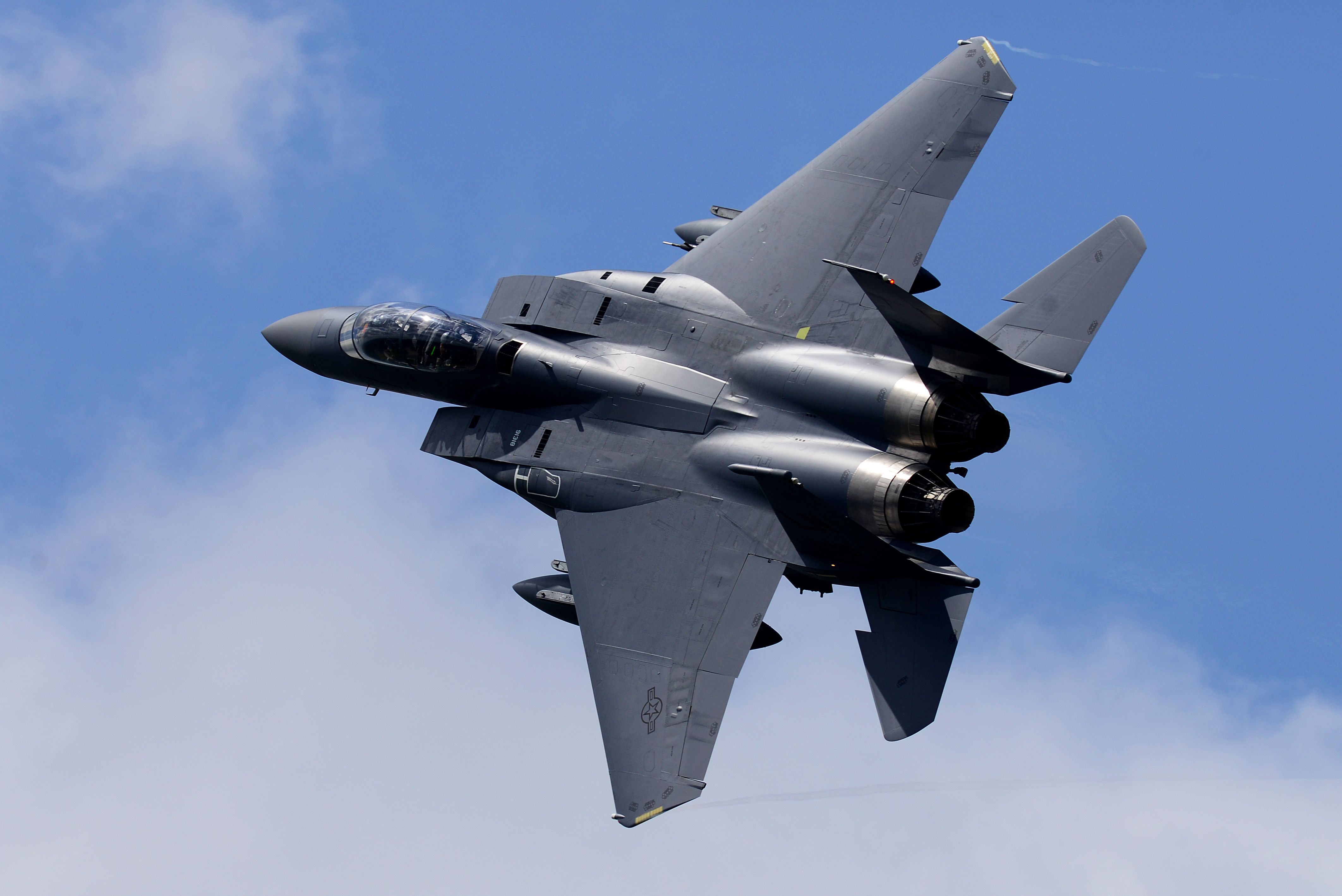
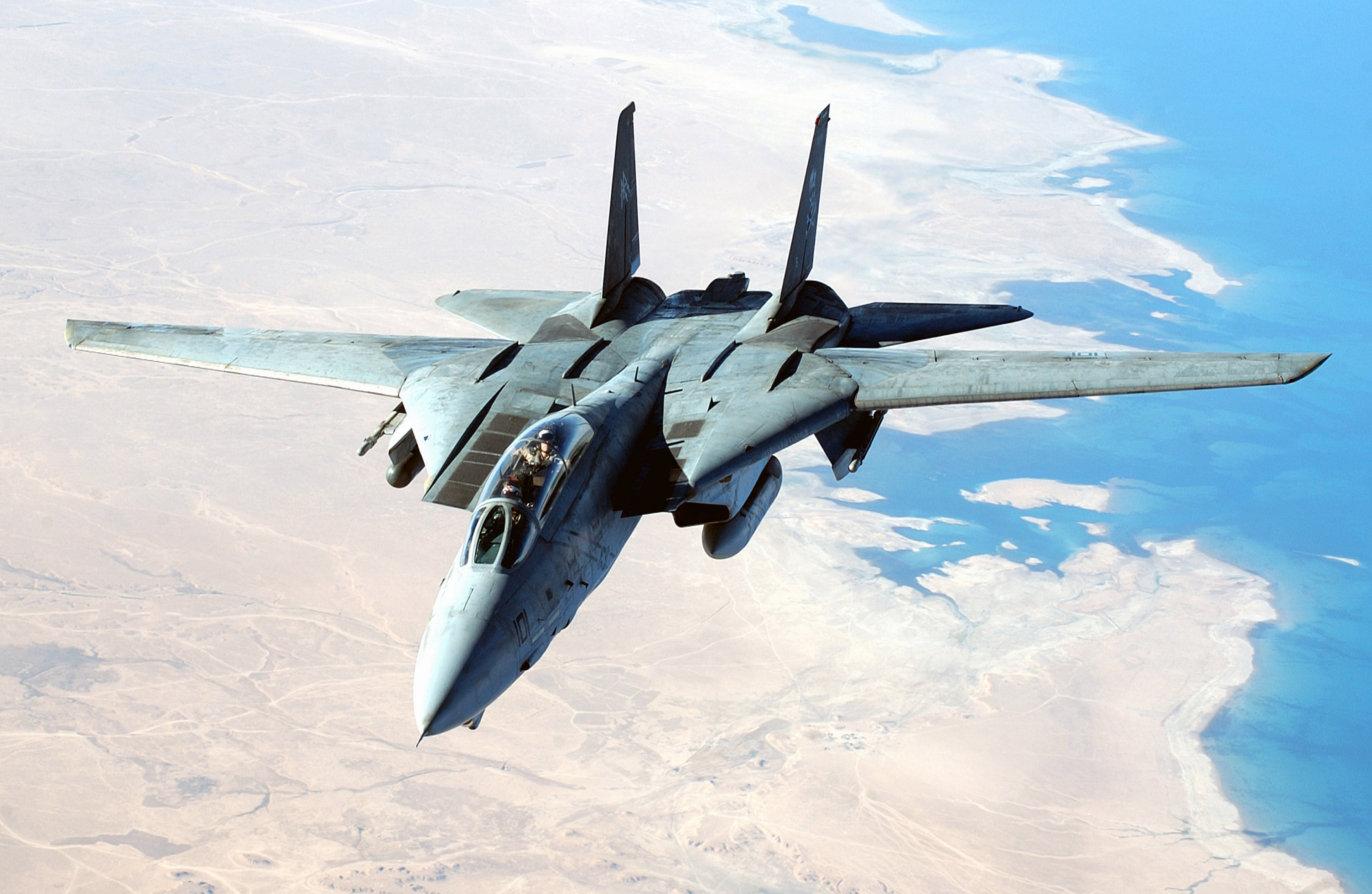
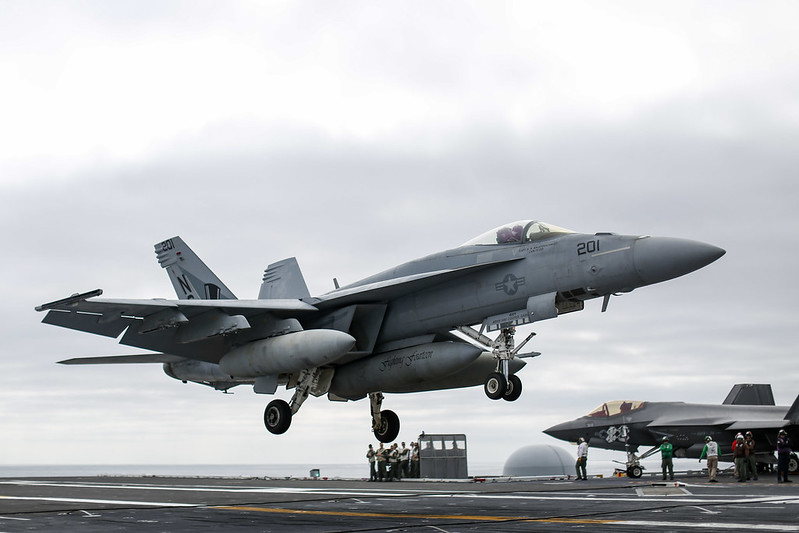
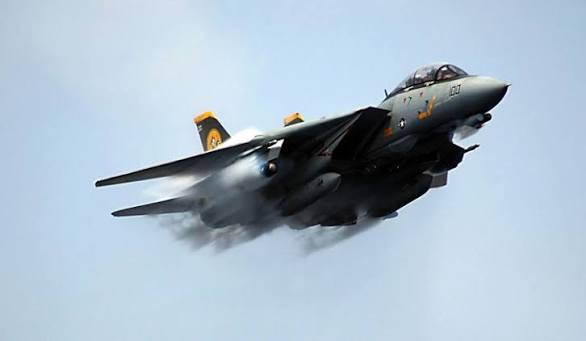
The 4th Generation aircraft had greatly improved avionics systems like head-up displays, advanced aerodynamic design (variable sweep wings), and “fly by wire.” This generation included familiar aircraft like the MiG-29, Su-27, F/A-18 Hornet, F-15 Eagle, F-16 Fighting Falcon, F-14 Tomcat, Dassault Rafale, and Mirage-2000.
Our4th Gen collection includes:
- United States: the F-15 Eagle, and F-14 Tomcat
- Soviet Union/Russia: MiG-29 Fulcrum (located outdoors awaiting restoration).